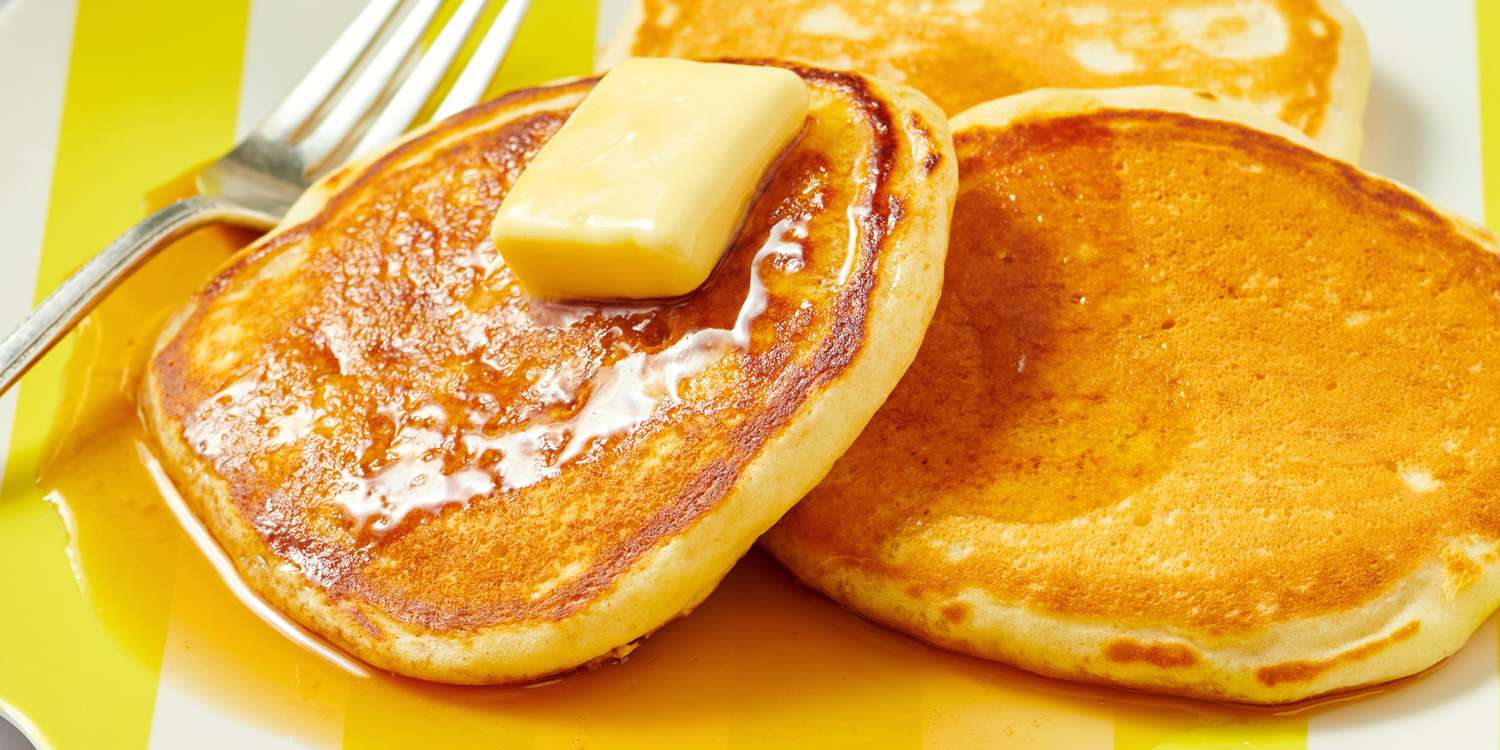
Pancakes stand as an undisputed monarch of the breakfast table, a beloved culinary comfort food cherished across generations. While breakfast fads come and go, the simple, satisfying pancake remains a steadfast staple, evoking warmth, indulgence, and the promise of a delightful start to the day. For many, the idea of creating that perfect stack of golden, fluffy discs from scratch might seem daunting, leading to past struggles with undercooked centers or burnt bottoms. However, with the right approach and a keen understanding of key techniques, mastering the art of homemade pancakes is not just achievable—it's incredibly rewarding. This comprehensive guide will walk you through every step, ensuring your pancakes are fluffy, flavorful, and absolutely flawless every time.
The Unbeatable Appeal of Homemade Pancakes
There's an undeniable magic to homemade pancakes that goes far beyond what any mix can offer. These aren't just breakfast items; they're an experience. Imagine the aroma filling your kitchen—a symphony of sweet and savory notes, a testament to the eggy richness, the subtle tang of buttermilk, and just the right touch of sweetness. Homemade pancakes are the indulgent heroes, providing a much-needed lift to ordinary mornings or a celebratory treat for special occasions. They’re a delicious canvas for endless toppings, from classic maple syrup and fresh berries to whipped cream and chocolate chips. The satisfaction of whisking together simple ingredients and transforming them into a stack of culinary perfection is immense, making the effort truly worthwhile.
Essential Preparation: Setting Yourself Up for Success
Before you even think about cracking an egg or measuring flour, proper preparation is paramount. The secret to a smooth and enjoyable pancake-making process lies in a little foresight and organization.
Pre-Cooking Prep: The Mise en Place Advantage
One of the best pieces of advice for any cook, especially when dealing with something as quick-cooking as pancakes, is to practice "mise en place"—everything in its place. This means having all your ingredients measured, prepped, and within arm's reach before you begin. Imagine: dry ingredients precisely portioned, buttermilk poured, and butter melted (and ideally cooled slightly). This not only streamlines the cooking process but also prevents last-minute scrambling that can lead to mistakes.
Furthermore, if you're making pancakes for more than one person, keeping them warm while you cook successive batches is crucial. A simple trick: preheat your oven to a low 325°F (160°C). As each pancake is cooked, transfer it to a wire rack set over a baking tray and place it in the warm oven. This allows air to circulate, preventing them from becoming soggy, and ensures everyone enjoys a warm, fresh stack simultaneously.
The Right Tools Make All the Difference
While you don't need a professional kitchen setup, having a few key tools will significantly enhance your pancake-making experience. For cooking, a griddle is often considered the gold standard due to its large, flat surface and even heat distribution. However, if a griddle isn't in your arsenal, don't despair! A large, well-seasoned cast-iron skillet is an ideal alternative. Its ability to retain and distribute heat evenly is unparalleled, often providing a naturally nonstick experience once properly cared for. A high-quality nonstick skillet is also a perfectly acceptable choice. For mixing, a simple whisk or even a fork will suffice, but for flipping, choose your spatula wisely. Look for one that is large, wide, angled, and heatproof. Interestingly, a fish spatula often proves to be an excellent tool here, offering the ideal width and flexibility needed for a clean, confident flip.
Crafting the Perfect Pancake Batter: The Heart of Fluffiness
The foundation of any outstanding pancake is, without question, the batter. A perfectly balanced batter, mixed with precision, is your ticket to that coveted fluffy, tender interior and delicately crisp exterior. Here's how to master the very core of how to make homemade pancakes.
The Core Ingredients and Their Role
Each ingredient plays a vital role in the alchemy of pancake creation:
- Buttermilk: This is the secret to a tangy, moist, and tender crumb with a subtle, custard-like interior. The acidity in buttermilk reacts with the leavening agents, enhancing their power. If you don't have buttermilk, you can create a simple substitute by adding 1 tablespoon of white vinegar or lemon juice to a measuring cup and filling the rest with regular milk to equal 1 cup. Let it sit for 5-10 minutes until it curdles slightly.
- Eggs: Eggs contribute richness, structure, and help bind the batter, leading to a sturdier yet tender pancake. While there's no single "true rule of thumb" for the exact egg-to-buttermilk ratio, a well-balanced recipe template provides optimal results.
- Baking Powder & Baking Soda: These are your primary leavening agents. Baking powder is double-acting, meaning it reacts once with liquid and again with heat, providing consistent lift. Baking soda, on the other hand, requires an acid (like that found in buttermilk) to activate and produces larger, more immediate bubbles, contributing to that airy, light texture. Together, they create the ideal rise.
- Sugar: A touch of sugar does more than just sweeten; it aids in browning and helps crisp the edges of the pancake, without pushing it into dessert territory. You can slightly adjust the amount based on your preference for sweetness, especially if you plan on using very sweet toppings like syrup. However, remember that less is often more when aiming for a balanced breakfast item.
- Salt: Don't even think about skipping or skimping on the salt! Just like in any other dish, proper seasoning is crucial. Salt enhances all the other flavors, balancing the sweetness and richness, making your pancakes truly pop. You'll definitely miss it if you cut back.
The Art of Mixing: A Lumpy Secret
This is arguably the most critical step in achieving fluffy pancakes. The mixing process is simpler than you might think, but it requires understanding one golden rule: do not overmix.
- Combine Dry Ingredients: In a large bowl, thoroughly whisk together all your dry ingredients (flour, sugar, baking powder, baking soda, salt). This ensures that the leavening agents and seasoning are evenly distributed throughout the flour, guaranteeing consistent rise and flavor in every pancake.
- Create a Well: Form a well in the center of your dry ingredients. This creates a pocket for the wet ingredients.
- Add Wet Ingredients: Pour in your buttermilk and crack the eggs directly into the well. There's no need to combine the eggs and buttermilk in a separate bowl first—less washing, especially early in the day!
- Gentle Incorporation: Starting from the center of the well, slowly begin to incorporate the dry ingredients into the wet, working your way towards the edges of the bowl. Mix just until no obvious streaks of dry flour remain.
Here’s where the "lumpy secret" comes in: pancake batter should never be perfectly smooth. Overmixing develops gluten, which is fantastic for bread but a disaster for pancakes, resulting in a tough, chewy texture. Embrace the lumps! A few lumps are perfectly normal and will actually take care of themselves during cooking, expanding and softening to create that desired tenderness. Stop mixing as soon as the dry ingredients are just incorporated.
The Finesse of Cooking: Heat, Sizzle, and Flip
With a perfect batter in hand, the final stage involves cooking with patience and all your senses. This is where you transform that luscious batter into golden discs of perfection.
Mastering the Griddle Temperature
Finding the correct heat setting is paramount for achieving evenly cooked pancakes—golden brown on the outside, light and airy within. Too low, and they'll be pale and potentially tough; too high, and you'll get burnt bottoms with raw interiors. Start with medium heat and let your griddle or skillet preheat thoroughly for several minutes. You can test the temperature by sprinkling a few drops of water onto the surface; they should sizzle and evaporate within a second or two. Alternatively, cook a small test pancake (a "chef's treat!") to gauge the heat and adjust as necessary before committing to full-sized pancakes. Listen for the slight sizzle as the batter hits the skillet, signaling the perfect temperature.
The Telltale Signs for the Perfect Flip
Patience is a virtue when waiting for the right moment to flip. Resist the urge to peek or flip too early. Look for these crucial indicators:
- Bubbles Galore: Tiny bubbles will begin to form on the surface of the pancake. When these bubbles start to break and create small holes, it’s a strong sign the underside is cooking.
- Set Edges: The edges of the pancake will look slightly dry and firm.
- Subtle Browning: You might notice a hint of browning around the very edges.
- The Smell Test: A subtle smell of toasted batter signals good progress (but watch out for burning!).
Generally, the first side will take longer to cook than the second side, typically 2-3 minutes, while the second side often finishes in 1-2 minutes. This is because the leavening agents have more time to react and expand on the initial side.
Flipping Technique
When the time comes, flip with confidence! Slide your wide, angled spatula completely underneath the pancake. With a swift, fluid wrist motion, turn the pancake over. Avoid pressing down on the pancake once flipped, as this deflates those precious air pockets and can lead to a dense, flat result. Allow the second side to cook until it's golden brown and the pancake feels springy to the touch.
Mastering homemade pancakes is a journey of sensory input and gentle technique. From the careful measuring of ingredients to the mindful mixing of the batter and the patient observation during cooking, each step contributes to the final, delicious outcome. By following these guidelines, embracing the nuances of the process, and understanding the role each element plays, you're well on your way to consistently producing fluffy, flavorful, and flawless pancakes that will become a cherished tradition in your home. So go ahead, don your apron, gather your ingredients, and transform your breakfast dreams into a reality. Happy pancake making!