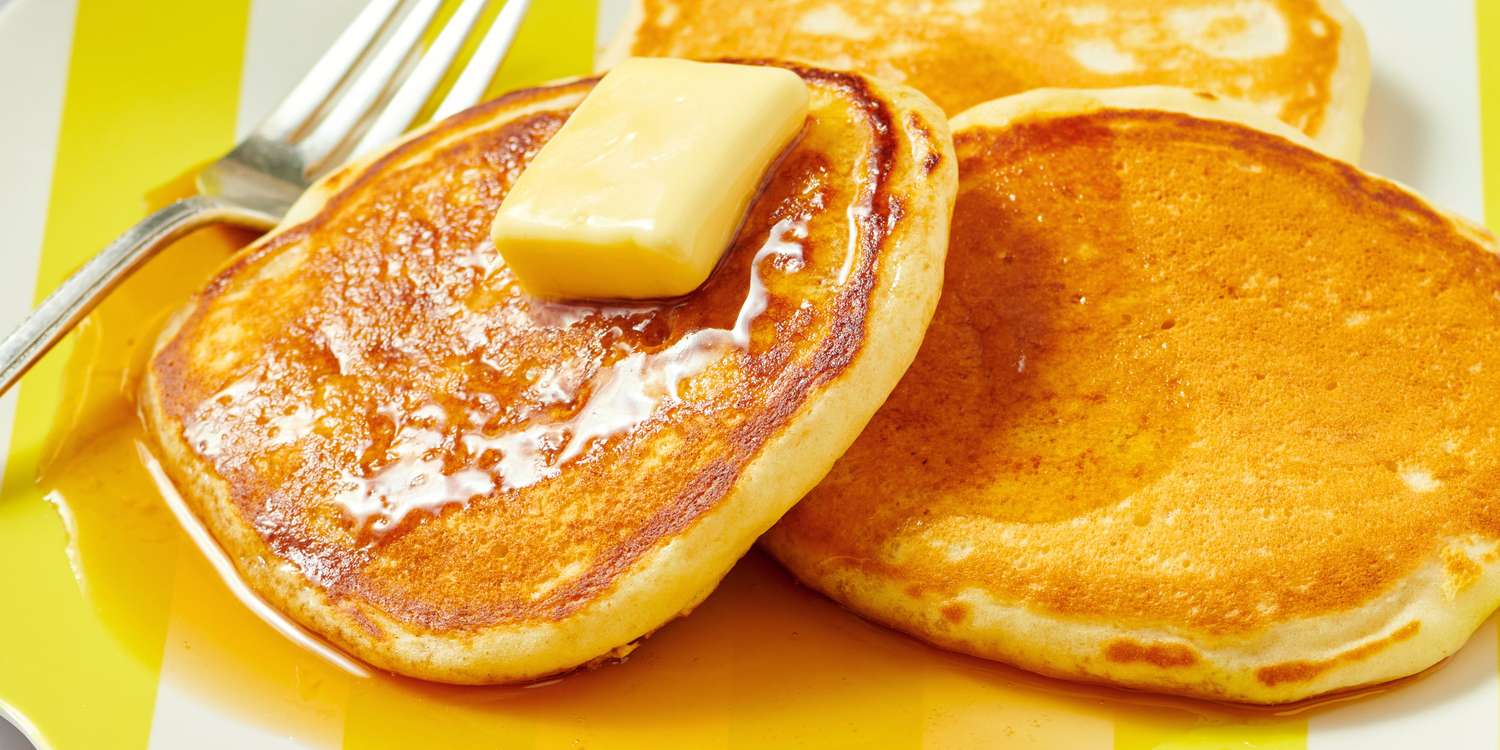
Best Homemade Pancakes: Essential Tools, Ingredients, & Cooking Secrets
There’s an undeniable magic to homemade pancakes. Through all the shifting tides of breakfast trends, the humble pancake stands resolute – a universally adored dish that speaks of comfort, indulgence, and the simple joys of a leisurely morning. They are the definitive heroes of the breakfast table: fluffy, often eggy, perfectly seasoned, and hitting that sweet spot just shy of dessert. While past attempts might have led to frustrating encounters with scorched bottoms and disappointingly raw interiors, rest assured that achieving pancake perfection is entirely within your grasp. With a well-crafted batter, the right tools, and a bit of practice on your stove, you’ll master the art of Master Homemade Pancakes: Fluffy, Flavorful, & Flawless Every Time every time. So, if you're wondering how to make homemade pancakes that truly impress, let's dive into the secrets.Laying the Foundation: Essential Tools for Pancake Perfection
Before you even think about cracking an egg or measuring flour, setting yourself up for success is paramount. A little preparation goes a long way in ensuring a smooth and enjoyable pancake-making experience.- The Mise en Place Advantage: The first rule of any great cook is "mise en place," meaning "everything in its place." Before you begin, measure out all your dry ingredients, pour your buttermilk, and melt any butter you’ll need, allowing it to cool slightly. Having everything ready eliminates frantic searching and ensures you can focus on the important steps, like mixing the batter correctly.
- Keeping Them Warm: The Oven Trick: If you're cooking for more than one person, serving everyone warm pancakes simultaneously is a common challenge. The solution is simple: preheat your oven to a low 325°F (160°C). Line a baking tray with a wire rack and place cooked pancakes here as you finish them. The rack prevents sogginess, and the gentle heat keeps them perfectly warm without overcooking until the entire batch is ready to serve.
- The Right Surface: Griddle, Cast Iron, or Nonstick Skillet: The cooking surface plays a critical role in achieving beautifully even browning and a hassle-free experience.
- Electric Griddle: This is often the top choice for pancakes. Its large, flat surface allows you to cook multiple pancakes at once, and its consistent, controllable heat ensures even cooking across the board.
- Well-Seasoned Cast-Iron Skillet: If a griddle isn't an option, a large, well-seasoned cast-iron skillet is an excellent alternative. Cast iron is revered for its ability to distribute and retain heat evenly, leading to consistent browning and a naturally nonstick surface (provided it's properly seasoned). A single large skillet can often accommodate two or three pancakes at a time.
- Nonstick Skillet: A standard nonstick skillet is also perfectly functional for making pancakes, offering an easy release. Ensure it's large enough to give your pancakes space to spread and brown without crowding.
- Mixing & Flipping: Whisk and Spatula Essentials:
- For Mixing: A good whisk is indispensable for thoroughly combining dry ingredients and gently incorporating wet into dry. A fork can work in a pinch, but a whisk is more efficient at breaking up lumps and aerating the batter.
- For Flipping: Choose a spatula that is large, wide, angled, and heatproof. The generous width provides ample support for the entire pancake, preventing it from tearing or folding during the flip. An angled edge allows you to easily get under the pancake without damaging its delicate structure. Interestingly, a fish spatula often excels here due to its ideal width, thinness, and flexibility.
Crafting the Perfect Batter: Ingredients & Mixing Mastery
The heart of any truly great pancake lies in its batter. A well-balanced, properly mixed batter sets the stage for light, fluffy, and flavorful results every single time. Here, we'll focus on a classic buttermilk pancake, a cornerstone of homemade pancake excellence.- The Golden Ratio: Buttermilk, Eggs, and Leavening Agents:
- Buttermilk: This tangy dairy product is key for both flavor and texture. Its acidity reacts with baking soda to create carbon dioxide bubbles, contributing to the pancake's lift and tenderness. The correct ratio of buttermilk to eggs (which our recipe template will guide you on) creates a wonderfully moist, almost custard-like interior. If you don't have buttermilk, you can easily make a substitute by adding a tablespoon of lemon juice or white vinegar to regular milk and letting it sit for 5-10 minutes until it slightly curdles.
- Eggs: Eggs provide structure, richness, and help bind the batter, contributing to a soft, tender crumb.
- Baking Powder & Baking Soda: These are your leavening powerhouses. Baking powder provides the initial lift, while baking soda (activated by the buttermilk's acidity) ensures maximum fluffiness. Using both helps achieve that ideal light, airy texture without being overly dense. Ensure your leavening agents are fresh for the best rise; old baking powder or soda can lead to flat, disappointing pancakes.
- The Secret to Texture: Sugar and Salt's Role:
- Sugar: A touch of sugar does more than just sweeten. It aids in browning, giving your pancakes those beautifully crisp, golden edges, and contributes to overall flavor balance. The trick is to use just enough to achieve this without crossing into overly sweet dessert territory, especially if you plan on adding syrup. As a tip, if you prefer sweeter pancakes and don't plan on heavy syrup use, you can gently increase the sugar amount.
- Salt: This is arguably the most underrated ingredient in pancakes. Yes, there's often "quite a bit" of it in great recipes, but for good reason. Just like in savory dishes, salt is crucial for proper seasoning. It amplifies all the other flavors—the tang of buttermilk, the richness of eggs, the subtle sweetness—and creates a well-rounded taste profile. Try cutting back too much, and you'll immediately notice something missing.
- The Art of Mixing: Avoiding Overworking the Batter: This is a crucial step for achieving light and fluffy pancakes.
In a large bowl, whisk all your dry ingredients together thoroughly. This ensures the leavening agents and salt are evenly distributed. Next, create a well in the center of the dry ingredients. Pour the buttermilk into the well and crack the eggs directly into it (no need to pre-mix the eggs with the buttermilk—let's minimize dirty dishes!). Starting from the center of the well, gently incorporate the dry ingredients into the wet, moving outwards. Mix just until no obvious dry streaks of flour remain.
The cardinal rule here is: do not overmix the batter! Overmixing develops gluten in the flour, which will result in tough, chewy, and dense pancakes instead of light, airy ones. A few small lumps are perfectly acceptable—even desirable—as they will dissolve during cooking and indicate you haven't overmixed. Embracing these lumps is key to Unlock Fluffy Pancakes: The Secret to Perfect Batter & No Overmixing.
The Science of the Sizzle: Mastering Pancake Cooking
Cooking pancakes properly requires more than just pouring batter onto a hot surface; it’s an exercise in patience and engaging all your senses. This is where your practice and intuition will truly shine when learning how to make homemade pancakes.- The Temperature Sweet Spot: Finding the correct heat setting is perhaps the most critical variable. Start with medium heat. If your pan is too hot, the pancakes will burn on the outside while remaining raw in the middle. Too cold, and they'll take ages to cook, becoming dense and potentially absorbing too much oil.
Test the Heat: A good way to gauge the temperature is to flick a few drops of water onto the cooking surface. If they sizzle and evaporate within a couple of seconds, you're likely at a good temperature. If they sit there and slowly evaporate, it's too cool. If they instantly vaporize or violently splatter, it's too hot.
Remember, pancake cooking is an ongoing adjustment. The pan's temperature can fluctuate, so don't be afraid to slightly adjust the heat up or down as you cook your batch.
- Reading the Bubbles: When to Flip: Patience is key here. Pour your batter (typically ¼ to ½ cup per pancake) onto the lightly greased, heated surface. Now, observe. Look for these crucial indicators:
- Bubbles Forming: Tiny bubbles will begin to form on the surface of the pancake.
- Bubbles Popping: As the pancake cooks through, these bubbles will start to pop, leaving small holes.
- Edges Setting: Simultaneously, the edges of the pancake will begin to look set and slightly dry.
- Slight Browning: You might even see a hint of golden-brown peeking out from under the edges.
Once you see several bubbles popping and the edges firming up, it's time to flip.
- The Perfect Flip: Technique and Timing: A confident, swift flip is all it takes. Slide your wide spatula fully under the pancake, lift it gently but deliberately, and turn it over onto the uncooked side. Avoid pressing down on the pancake after flipping, as this can deflate the precious air bubbles that contribute to its fluffiness. Cook for another 1-3 minutes on the second side, until golden brown and cooked through. Transfer to your warm oven while you continue cooking the rest of the batch.
Elevating Your Pancake Game: Tips & Tricks for Next-Level Fluffiness and Flavor
Once you've mastered the basics of how to make homemade pancakes, there's a whole world of experimentation and enhancement to explore.- Flour Power: Experimenting with Different Types: While all-purpose flour is standard, don't be afraid to experiment.
- Whole Wheat Flour: For a heartier, nuttier flavor, try substituting a portion (say, 25-50%) of all-purpose flour with whole wheat flour. You might need a touch more liquid.
- Cake Flour: If you're after extreme tenderness, cake flour has a lower protein content, resulting in a more delicate crumb.
- Creative Mix-Ins and Toppings: This is where pancakes truly become a personal expression.
- Fruit: Blueberries (fresh or frozen), sliced bananas, raspberries, or finely diced apples are classic choices. Add them to the batter *after* pouring it onto the griddle, placing them gently on top of the wet batter. This prevents them from sinking to the bottom of the bowl and sticking.
- Chocolate Chips: A perennial favorite. Dark, milk, or white chocolate chips can be added similarly to fruit.
- Nuts: Chopped pecans, walnuts, or almonds add a lovely crunch. Toast them lightly beforehand for enhanced flavor.
- Spices: A pinch of cinnamon, nutmeg, or even a touch of cardamom can elevate the flavor profile.
- Adjusting Sweetness: If you find your pancakes aren't sweet enough for your liking, you can increase the sugar in the batter. However, be mindful that if you plan on drenching them in syrup, excessive sugar in the batter might make them overwhelmingly sweet. Find your personal balance!
- Troubleshooting Common Pancake Problems:
- Flat Pancakes: Often caused by overmixing the batter (developing too much gluten) or old, inactive leavening agents. Ensure your baking powder and soda are fresh!
- Burned Outside, Raw Inside: Your cooking surface is too hot. Reduce the heat and allow the pancakes to cook more slowly and evenly.
- Pancakes Sticking: Your pan might not be properly greased, or it wasn't quite hot enough when the batter was added. Ensure a light, even coating of oil or butter.
- Tough Pancakes: Almost always a sign of overmixing. Remember: a few lumps are your friend!